LIFEWAVE 450 & 300 W
Shortwave Diathermy Unit

It is a medical device used for therapeutic applications that involve delivering electromagnetic waves to the body’s tissues. This type of device is commonly used in physiotherapy and rehabilitation settings to provide deep heat to targeted areas of the body.


Shortwave diathermy involves the use of high-frequency electromagnetic waves to generate heat within the body’s tissues. This heat can penetrate deep into muscles and joints, promoting blood circulation, relaxing muscles, and providing pain relief. Shortwave diathermy is often used to manage conditions such as muscle spasms, joint stiffness, and certain types of chronic pain.
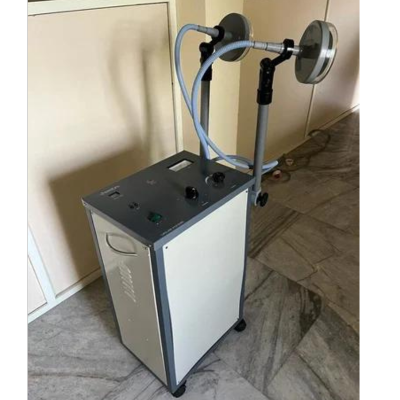
Features of Shortwave Diathermy Unit

  1. Power Output: The power output of 450W and 300W indicates the amount of energy the device can deliver. Higher wattage units can provide more intense heating and may be suitable for larger treatment areas or cases where higher energy levels are required.
  2. Frequency Selection: Shortwave diathermy units typically operate within a specific frequency range. The most common frequency used in clinical practice is around 27.12 MHz. Different frequencies can influence the depth of penetration and the therapeutic effects on tissues.
  3. Continuous and Pulsed Modes: These units might offer both continuous and pulsed modes. Continuous mode delivers a steady flow of energy, while pulsed mode delivers energy in intervals. Pulsed mode can be useful for specific conditions or when a gentler application of heat is required.
  4. Applicators: Shortwave diathermy units come with various applicators designed to deliver the electromagnetic energy to different areas of the body. Applicators may include capacitive and inductive electrodes, each designed to target tissues at different depths.
  5. Therapeutic Settings: The device may have adjustable settings for power level, treatment time, and mode selection. This allows healthcare professionals to customise treatments based on the patient’s condition and response.
  6. User Interface: A user-friendly interface with controls and a display screen allows clinicians to set treatment parameters and monitor the progress of the therapy session.
  7. Safety Features: Modern shortwave diathermy units typically include safety mechanisms to prevent overheating and ensure patient safety. These may include temperature sensors, automatic shut-off, and visual/audible alerts.
  8. Guidance from Healthcare Professionals: Shortwave diathermy should be administered by trained healthcare professionals who can determine appropriate treatment parameters and monitor patient response.
  9. Patient Positioning: Proper patient positioning is crucial to ensure effective and safe treatment. Applicators should be placed correctly to target the intended area.
  10. Precautions and Contraindications: Shortwave diathermy may not be suitable for everyone, and there are specific contraindications to be aware of. Healthcare professionals will assess whether the treatment is appropriate based on the patient’s medical history and condition.