
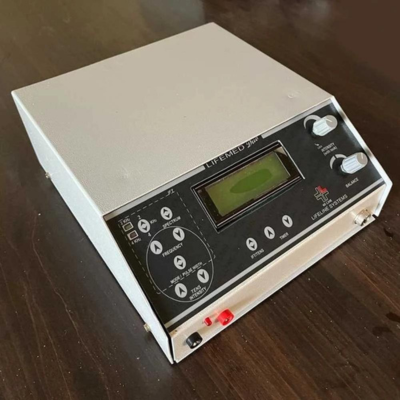
Interferential Therapy (IFT) and Transcutaneous Electrical Nerve Stimulation (TENS) are widely used forms of electrotherapy in the field of physiotherapy. These therapies are employed to manage pain, accelerate healing, and improve muscle function. Incorporating these modalities into a single device with the added convenience of soft touch keys, facilitated by microcontroller technology, enhances their applicability and ease of use.
1. Interferential Therapy (IFT):
Interferential Therapy involves the use of two medium-frequency currents that intersect and create an interference pattern within the body. This interference promotes pain relief by stimulating sensory nerves and increasing blood circulation. IFT is particularly effective in treating deep-seated pain conditions, muscle spasms, and inflammation.
2. Transcutaneous Electrical Nerve Stimulation (TENS):
TENS, on the other hand, employs low-frequency electrical currents to stimulate the nerves through the skin. This stimulation helps in reducing pain perception by triggering the release of endorphins, the body’s natural painkillers. TENS is commonly used to manage chronic and acute pain, including back pain, arthritis, and postoperative discomfort.
3. Benefits of Combination:
Combining IFT and TENS in a single device offers several advantages:
4. Microcontroller Technology and Soft Touch Keys:
A microcontroller serves as the brain of the device, enabling precise control over therapy parameters and functions. Soft touch keys, often implemented as a touchscreen interface, provide an intuitive and user-friendly way to interact with the device. Users can easily select therapy modes, adjust intensity, and modify treatment parameters according to their preferences.
5.Safety Considerations:
When designing and using such a combination device, safety should be a primary concern. Implementing safeguards against overstimulation, ensuring proper electrode placement, and incorporating user-friendly instructions are essential aspects.
6.Future Directions:
As technology continues to advance, the integration of microcontrollers and touch interfaces into medical devices will likely become more sophisticated. Wireless connectivity, data logging capabilities, and personalised treatment algorithms could be potential avenues for further development.
WhatsApp us