
Ultrasound therapy is a widely used modality in the field of physical therapy for its therapeutic benefits in promoting tissue healing, reducing pain, and improving blood circulation. Integrating ultrasound therapy with modern technology, such as microcontrollers and soft touch keys, enhances its usability, precision, and overall treatment experience.
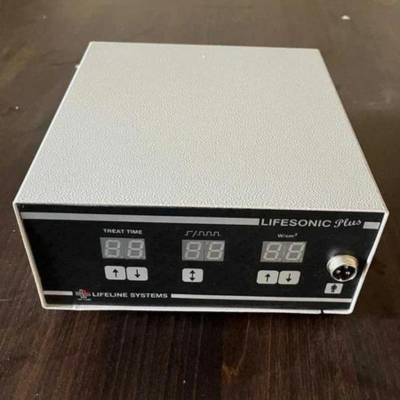
1. Ultrasound Therapy:
Ultrasound therapy involves the use of high-frequency sound waves to create mechanical vibrations within tissues. These vibrations lead to increased cellular activity, improved blood flow, and reduced inflammation. Ultrasound therapy is commonly used to treat conditions like soft tissue injuries, joint pain, and muscle spasms.
2. Microcontroller-Based System:
A microcontroller-based ultrasound therapy unit offers advanced control and customization options for treatment parameters. The microcontroller acts as the central processing unit, allowing precise adjustment of variables such as frequency, intensity, treatment duration, and mode. This level of control ensures that therapists can tailor the treatment to the specific needs of each patient.
3. Soft Touch Keys Interface:
Soft touch keys, often implemented as a touchscreen interface, provide a user-friendly way to interact with the ultrasound therapy unit. Patients and therapists can easily navigate through treatment options, adjust settings, and initiate or pause the therapy session. The touch interface enhances user experience, minimizes the need for complex manual controls, and reduces the risk of error.
4. Benefits of Microcontroller-Based Ultrasound Therapy:
The integration of microcontroller technology and soft touch keys offers several advantages:
5.User-Friendly Experience:
The soft touch keys interface enhances the overall user experience:
6.Future Possibilities:
As technology evolves, the integration of microcontrollers and touch interfaces can open doors to more advanced features, such as wireless connectivity for remote monitoring, treatment history tracking, and real-time feedback on treatment effectiveness.
WhatsApp us