LIFETRAC XL Microcontroller Based Electronic Traction Unit With Soft Touch Keys

A microcontroller-based electronic traction unit with soft-touch keys is a medical device designed to provide traction therapy for musculoskeletal conditions. This type of device incorporates advanced technology, including a microcontroller and touch-sensitive buttons, to deliver controlled and customizable traction therapy to patients. Traction therapy involves the application of a gentle pulling force to specific body parts, aiming to alleviate pain, decompress joints, and improve mobility. Here’s an overview of the key components and features of such a device:
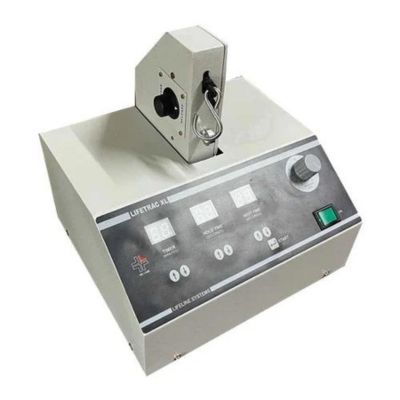
  1. Microcontroller-Based Design: A microcontroller serves as the central processing unit of the device. It allows for precise control and modulation of traction force, duration, and other treatment parameters. This ensures that the therapy is tailored to the patient’s needs and condition.
  2. Electronic Traction Therapy: Traction therapy involves applying a controlled pulling force to a specific area of the body, typically the spine or limbs. It is used to relieve pressure on compressed nerves, reduce pain, and promote healing in conditions such as herniated discs, sciatica, and other musculoskeletal issues.
  3. Soft Touch Keys: Soft-touch keys are touch-sensitive buttons that provide an intuitive interface for patients and healthcare professionals to control the device’s functions. These buttons offer a comfortable and user-friendly way to adjust treatment settings.
  4. Customizable Parameters: Users can typically adjust parameters such as traction force, treatment time, and traction cycle. This customization ensures that the therapy is both effective and comfortable for the patient.
  5. LCD Display: An LCD display provides real-time visual feedback, showing the selected treatment settings, therapy progress, and other relevant information.
  6. Safety Features: Electronic traction units often include safety mechanisms, such as emergency stop buttons and automatic shut-off in case of any issues during the treatment.
  7. Patient Comfort: Many devices prioritise patient comfort by providing cushioned pads or supports for the patient to lie on during treatment. This helps ensure that the traction therapy is comfortable and well-tolerated.
  8. Treatment Modes: Depending on the device, different traction modes may be available, such as static traction (consistent force) or intermittent traction (cycling between tension and relaxation).
  9. Guidance from Healthcare Professionals: It’s important for patients to receive guidance from healthcare professionals, such as physical therapists or doctors, on the appropriate use of the device. They can provide insights into the treatment parameters that are suitable for the patient’s condition and monitor the progress.
  10. Patient Education: Many devices include educational materials or guidance on proper body positioning, technique, and potential benefits of traction therapy. This empowers patients to make informed decisions about their treatment.
  11. Adjustable Applicators: Depending on the area of the body being treated, traction units may come with adjustable applicators or attachments to target specific regions effectively.